 +86-151 6276 6160
 بيع002@hxdrobots.com
 English
 Español
 Pусский
 Français


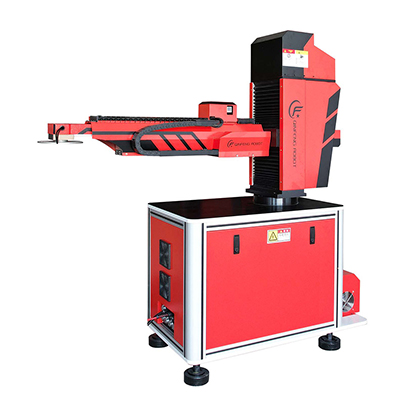
Of course — here is a **1000-word English article** on **“Gripper Maintenance of Stamping robot Manipulator”**:
---
Gripper Maintenance of Stamping robot Manipulator
In modern manufacturing, Stamping robot manipulators play a crucial role in improving production efficiency, reducing labor costs, and ensuring product consistency. Among the key components of a Stamping robot manipulator, the gripper is one of the most important. The gripper is responsible for holding, transferring, and positioning metal sheets or stamped parts during the production process. Because it operates continuously in a harsh industrial environment, it is subject to wear, contamination, vibration, and mechanical stress. Proper gripper maintenance is therefore essential for ensuring stable performance, extending equipment life, and avoiding costly downtime.
Importance of Gripper Maintenance
The gripper is the “hand” of the Stamping robot. If it fails, the entire robotic production line may stop. A damaged or poorly maintained gripper can cause inaccurate part positioning, dropped workpieces, production delays, and even safety accidents. In stamping operations, the gripper often works in high-speed cycles and may encounter sharp metal edges, oil, dust, and impact forces. These conditions can gradually weaken its components.
Regular maintenance helps detect problems early and prevents minor issues from turning into major failures. It also supports product quality by ensuring the gripper holds components securely and accurately. For enterprises, this means lower repair costs, fewer interruptions, and higher overall efficiency. In short, gripper maintenance is not only a technical task but also an important part of production management.
Main Components of the Gripper
To understand maintenance, it is necessary to know the basic structure of the gripper. A Stamping robot gripper usually includes the following parts:
1. **Gripping jaws or fingers** – These directly contact the workpiece and are often made of durable steel or alloy materials.
2. **Actuation system** – This may be pneumatic, hydraulic, or electric, depending on the robot design.
3. **Guide rails and sliders** – These ensure smooth movement and accurate alignment.
4. **Sensors** – They confirm whether the workpiece is successfully held.
5. **Fasteners and mounting brackets** – These connect the gripper to the robot arm and keep it stable.
6. **Cables, hoses, and seals** – These support power, air, or oil transmission and protect internal systems.
Each part requires inspection and care to maintain reliable operation.
Common Problems in Gripper Operation
During long-term use, several problems may appear in the gripper system. One common issue is **wear of the gripping fingers**. Because they repeatedly clamp metal parts, their surfaces may become scratched, deformed, or cracked. Another frequent problem is **loose fasteners**, which can occur due to vibration during high-speed stamping cycles.
For pneumatic or hydraulic grippers, **air or oil leakage** is a serious concern. Leakage reduces gripping force and may cause unstable movement. In electric grippers, **motor malfunction or sensor failure** can affect precision. Dust, grease, and metal particles may also accumulate on the gripper, causing poor sliding performance or inaccurate positioning. In addition, repeated impact forces can create alignment errors or structural damage.
Recognizing these problems early is the key to effective maintenance.
Daily Maintenance Practices
Daily maintenance is the foundation of gripper reliability. Operators and maintenance workers should inspect the gripper before and after each shift. The first step is to check whether the gripper opens and closes smoothly. Any unusual noise, vibration, or delay should be recorded and investigated.
Cleaning is another important daily task. The gripper should be wiped to remove oil, dust, and metal debris. If contamination is left on the surface, it may affect the accuracy of the gripping action and accelerate wear. Operators should also verify that the gripping jaws are free of cracks, deformation, or looseness.
In addition, air pressure or hydraulic pressure should be checked regularly if the gripper uses these systems. Insufficient pressure may lead to weak clamping force, while excessive pressure may cause component damage. Sensors and limit switches should also be tested to ensure proper signal feedback. Daily inspection helps maintain safe and stable operation.
Periodic Maintenance and Lubrication
In addition to daily checks, grippers require periodic maintenance based on operating hours, production intensity, and manufacturer recommendations. Periodic maintenance usually includes a more detailed inspection of mechanical, electrical, and pneumatic parts.
Lubrication is essential for components such as guide rails, sliders, and moving joints. Proper lubrication reduces friction, prevents rust, and improves motion accuracy. However, too much grease can attract dust and cause contamination, so the correct type and amount of lubricant must be used.
During periodic maintenance, maintenance personnel should tighten all bolts, screws, and connection points. They should also examine seals, hoses, and cables for signs of aging, cracking, or leakage. If the gripper uses replaceable pads or fingers, these parts should be replaced when they become worn beyond acceptable limits.
Calibration is another important task. The gripper must remain properly aligned with the robot arm and the stamping equipment. Even a small positioning error can affect production accuracy. Therefore, regular calibration ensures consistent gripping performance.
Preventive Maintenance Strategy
A good maintenance program should be preventive rather than reactive. Preventive maintenance means servicing the gripper before failure occurs. This approach reduces unplanned downtime and helps extend equipment lifespan. Maintenance schedules should be based on usage frequency, environmental conditions, and historical fault data.
For example, a stamping line running 24 hours a day may require more frequent inspection than a line with lower output. If the environment contains a lot of dust, oil mist, or vibration, maintenance intervals should be shortened. Keeping detailed records of each inspection, repair, and part replacement can help identify patterns and predict future failures.
Modern factories may also use condition monitoring systems. These systems track vibration, pressure, temperature, and cycle counts to detect abnormal conditions. With digital monitoring, maintenance teams can respond quickly and improve equipment reliability.
Safety Considerations
Gripper maintenance must always follow safety procedures. Before performing any inspection or repair, the robot system should be powered off and locked out to prevent accidental movement. Operators should wear protective gloves, goggles, and other required personal protective equipment.
Because Stamping robots often work with heavy parts and strong force, accidental activation can be dangerous. Maintenance personnel should never place their hands near the gripper unless the system is fully isolated. If compressed air or hydraulic pressure is involved, pressure should be completely released before disassembly. Safety training is essential for all workers involved in maintenance activities.
Conclusion
The gripper is a critical component of a Stamping robot manipulator, and its condition directly affects production efficiency, product quality, and workplace safety. Proper maintenance includes daily inspection, cleaning, lubrication, calibration, and timely replacement of worn parts. A preventive maintenance strategy is especially important for minimizing downtime and extending the life of the equipment.
In today’s competitive manufacturing industry, reliable robot performance is a major advantage. By paying close attention to gripper maintenance, companies can improve automation stability, reduce operating costs, and ensure safe and efficient stamping operations. Therefore, gripper maintenance should be regarded as a long-term investment in productivity and equipment health.
---
If you want, I can also:
1. **turn this into a formal essay style**,
2. **make it more technical**, or
3. **rewrite it in simpler English for students**.
يستخدم هذا الموقع ملفات تعريف الارتباط لضمان حصولك على أفضل تجربة على موقعنا.



 هاتف
تعليق
(0)