 +86-151 6276 6160
 بيع002@hxdrobots.com
 English
 Español
 Pусский
 Français

السيدة وانج
يرجى ترك رسالة

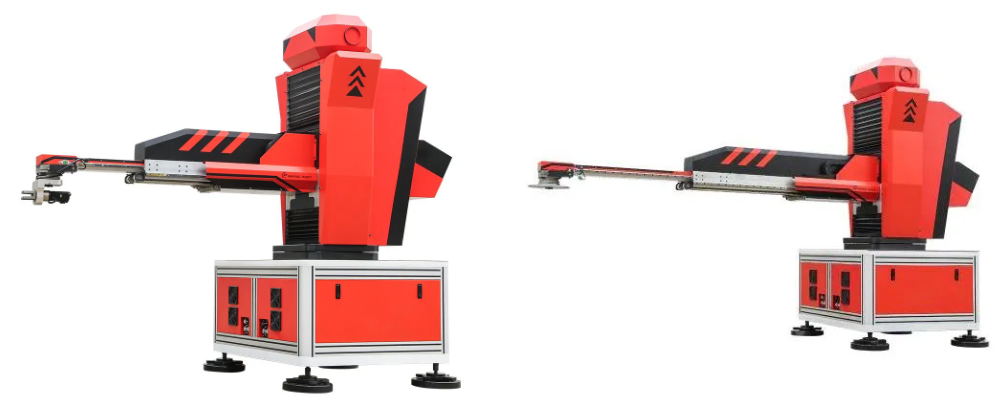
الدرجة الأوتوماتيكية: أوتوماتيكية بالكامل سعة التحميل: 20 كجم
المدى: 4000 مم المحور: 5 محاور
التخصيص: متاح
الاستخدام: خط التجميع، مناولة المواد، صناعة ختم السيارات


| نموذج رقم. | QF-120300-S5-20C-4 | الاستخدام | خط التجميع، مناولة المواد، صناعة ختم السيارات |
| التخصيص | متاح | محور | 5 محور |
| وزن القبضة | ≤20 كجم | وضع القيادة | هوائي |
| زاوية تأرجح الذراع | ±170 درجة | دقة التغذية | ±0.2 مم |
| رفع الذراعين وخفضهما بطريقة تلسكوبية | 0~350 مم (أدنى سطح قبضة 1100 مم) | الإنتاجية (اختلاف حجم المنتجات) | 300~600 قطعة/ساعة (8 مرات/دقيقة) |
| ذراع أمامية وخلفية تلسكوبية | 1750~4000مم | وزن الروبوت | ≈2400كجم |
| زاوية دوران الذراع | ±180°(Not Work for 4 محور) | زاوية دوران كأس الشفط للجسم | ±360 درجة |
| الجهد االكهربى | 220 فولت ± 10% | تردد الطاقة | 50/60 هرتز |
| الطاقة المركبة | 3.5 كيلو وات | حزمة النقل | صندوق خشبي |
| مواصفة | (الطول*العرض*الارتفاع)2700*1450*2500(مم) | العلامة التجارية | هويكسيندي |
| أصل | الصين | رمز النظام المنسق | 8479509090 |
| القدرة الإنتاجية | 5000 قطعة/سنة |
كفاءة
مع حمولة 20 كجم، يتم استخدام خوارزمية التحكم في الروبوت التي تم تطويرها بشكل مستقل لتحقيق التحكم في ربط المحاور المختلفة.
استناداً إلى خصائص التغذية لصناعة الختم، يتم إنشاء مسارات حركة ممتازة تلقائيًا، مع حركات سلسة وفعالة وكفاءة تصل إلى 10 مرات / دقيقة.
نظام سيرفو
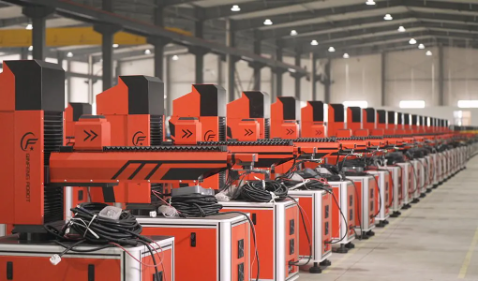
-جميع المحاور مجهزة بأنظمة سيرفو عالية الأداء.
تحسين الخط، والأداء المتفوق بشكل عام، ومجهز بوظيفة ذاكرة موضع إيقاف التشغيل لتجنب مشكلة إعادة تعيين المصدر.
- بمجرد ضبطه، يمكن استخدامه لفترة طويلة.
اعتماد تكنولوجيا البرمجة المفتوحة، ودعم تحرير مسار الحركة، والتشغيل البسيط، والتحكم المرن، ويمكن تخزين معلومات المنتج المتعددة، وقابلية التبادل القوية، ويمكن استخدامها لفترة طويلة مع مجموعة واحدة.
ذراع الروبوت
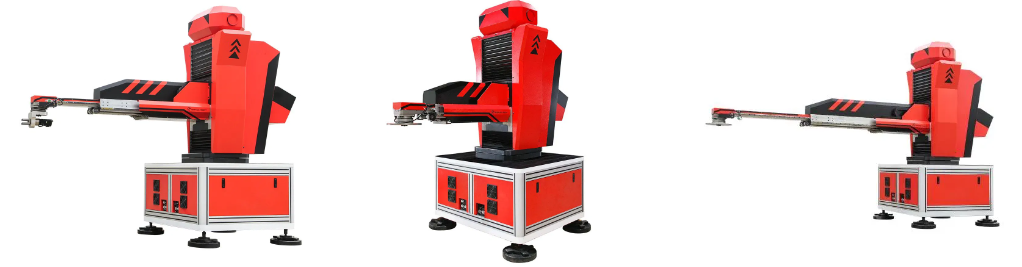
مرونة عالية لتحقيق عمليات ختم مختلفة في جميع الاتجاهات ومن زوايا متعددة:
التقليب، إزالة النفايات (قبل التفريغ)، التعليق الجانبي، الوضع المائل أو التكديس، وما إلى ذلك.
مناسب للقالب المستمر، والآلة الواحدة متعددة الأوضاع وعمليات القالب الأخرى.
تتوفر خيارات أربعة محاور / خمسة محاور.
تحليل التكلفة والفائدة: هل يستحق الاستثمار في الأسلحة الروبوتية؟
In the fields of precision engineering and high-end manufacturing, with the continuous development of technology and the increasing demand for high efficiency and precision in the industry, more and more companies are considering investing in ذراع الروبوت Manipulators to improve productivity. For B-end customers, how to measure whether this investment is worth it has become a question that requires deep thinking. This article will provide a detailed cost-benefit analysis of this issue to help businesses make more informed decisions.
1. تحليل تكاليف الاستثمار الأولية
يتضمن الاستثمار الأولي في الأذرع الروبوتية جوانب متعددة مثل شراء المعدات، والتركيب والتصحيح، والتدريب، وتكامل النظام. وتختلف التكلفة المحددة حسب احتياجات المؤسسة، ونموذج الذراع الروبوتية، ودرجة التخصيص، ودرجة الأتمتة. وبشكل عام، تتضمن التكلفة الأولية للاستثمار في الأذرع الروبوتية بشكل أساسي ما يلي:
تكلفة شراء المعدات: تتنوع الأسعار على نطاق واسع بناءً على طراز الذراع الروبوتية ووظيفتها ومتطلبات دقتها. يتراوح سعر الأذرع الروبوتية القياسية عادةً من عشرات الآلاف إلى مئات الآلاف من اليوانات، في حين أن المنتجات المخصصة خصيصًا أو ذات الدقة العالية قد تكون أسعارها أعلى.
تكاليف التركيب والتشغيل: يجب أيضًا مراعاة رسوم خدمة التركيب والتشغيل للفنيين المحترفين، والتي تتطلب عادةً دفع رسوم خدمة إضافية.
تكاليف تدريب الموظفين: يتطلب تشغيل الأذرع الروبوتية تدريبًا فنيًا معينًا، بما في ذلك التشغيل والبرمجة والصيانة اليومية.
2. تحليل تكاليف التشغيل
على الرغم من أن الاستثمار الأولي في الأذرع الروبوتية مرتفع نسبيًا، فإن تكاليف تشغيلها عادة ما تكون أقل وأقل بكثير من تكلفة التشغيل اليدوي. وفيما يلي بعض تكاليف التشغيل الرئيسية:
توفير تكاليف العمالة: يمكن للأذرع الروبوتية أن تحل محل العمل اليدوي لإكمال المهام المتكررة عالية الكثافة وعالية الدقة، وخاصة في البيئات الخطرة أو القاسية. يمكن للروبوتات ضمان سلامة موظفي خط الإنتاج بشكل فعال. من خلال تقليل العمل اليدوي، يمكن للشركات خفض تكاليف العمالة بشكل كبير.
تحسين كفاءة الإنتاج: كفاءة عمل الأذرع الروبوتية أعلى بكثير من كفاءة العمل اليدوي، ويمكنها العمل بشكل مستمر، مما يقلل من وقت توقف الإنتاج. بالنسبة لمهام الهندسة الدقيقة، يمكن للروبوتات أداء المهام بدقة عالية وثبات، وبالتالي تقليل معدلات إعادة العمل والخردة وتحسين جودة الإنتاج.
استهلاك الطاقة: تتمتع الأذرع الروبوتية الحديثة باستهلاك منخفض نسبيًا للطاقة، خاصة بالمقارنة مع العمل اليدوي عالي الكثافة وطويل الأمد، مما يوفر تكاليف كبيرة للكهرباء والطاقة.
3. تحليل الفوائد
وعلى المدى الطويل، فإن الاستثمار في الأذرع الروبوتية لا يمكن أن يقلل تكاليف التشغيل فحسب، بل يحقق أيضًا فوائد متعددة:
تحسين القدرة الإنتاجية وقيمة الإنتاج: يمكن لأذرع الروبوت العمل بشكل مستمر، مما يزيد من الناتج الإجمالي لخط الإنتاج. بالنسبة لمهام الإنتاج التي تتطلب دقة عالية وإمكانية تكرار عالية، يمكن للروبوتات ضمان الجودة الثابتة لكل منتج، وتقليل حدوث المنتجات المعيبة الناجمة عن الأخطاء البشرية، وبالتالي تحسين معدل تأهيل المنتج الإجمالي.
تحسين جودة المنتج: تعمل الدقة العالية والاستقرار والاتساق لأذرع الروبوت على تقليل الأخطاء في عملية الإنتاج بشكل كبير، مما يؤدي إلى تحسن كبير في جودة المنتج. وهذا لا يقلل فقط من إعادة العمل والخردة، بل يحسن أيضًا رضا العملاء، وبالتالي تعزيز القدرة التنافسية في السوق.
المرونة وقابلية التوسع: مع تغير احتياجات الإنتاج، يمكن للشركات برمجة وتعديل أذرع الروبوت للتكيف مع مهام الإنتاج المختلفة. يتيح التكوين المرن والتصميم المعياري للشركات تعديل خطوط إنتاجها بسرعة وفقًا لطلب السوق، مما يعزز مرونة الإنتاج بشكل كبير.
4. تحليل عائد الاستثمار على المدى الطويل
على الرغم من أن الاستثمار الأولي كبير، فإن الاستثمار في الأذرع الآلية سيحقق عوائد كبيرة بمرور الوقت. وفيما يلي بعض العوامل الرئيسية:
تقصير فترة استرداد الاستثمار: من خلال تحسين كفاءة الإنتاج، وخفض تكاليف العمالة، وتحسين جودة المنتج، يمكن للشركات تحقيق استرداد التكاليف في فترة زمنية أقصر. عادة، تتراوح فترة استرداد الاستثمار في الأذرع الروبوتية بين 1-3 سنوات، اعتمادًا على حجم المؤسسة واحتياجات الإنتاج.
تعزيز القدرة التنافسية للمؤسسة: من خلال إنتاج أتمتة الروبوت، يمكن للمؤسسات الحفاظ على الكفاءة والدقة والاتساق في عملية الإنتاج، الأمر الذي لا يحسن جودة المنتج وحصة السوق فحسب، بل يعزز أيضًا القدرة التنافسية الشاملة للمؤسسة.
التوفير المستمر في التكاليف ونمو الفوائد: إن التوفير الطويل الأجل بعد الاستثمار في الأذرع الروبوتية، بما في ذلك العمالة والصيانة ومراقبة الجودة، يمكن أن يحقق نموًا مستدامًا في الفوائد للمؤسسات.
5. المخاطر والتحديات
على الرغم من وجود العديد من الفوائد المحتملة للاستثمار في الأذرع الروبوتية، إلا أنه لا يمكن تجاهل المخاطر والتحديات التي ينطوي عليها ذلك
مشكلة التكيف الفني: تحتاج الشركات إلى التأكد من أن بيئة الإنتاج الحالية قادرة على التكيف مع تركيب وتشغيل أذرع الروبوت. في بعض الأحيان، من أجل تحقيق نتائج مثالية، قد يكون من الضروري تعديل أو تعديل خط الإنتاج.
التدريب ونقص المواهب: على الرغم من أن الأذرع الآلية يمكن أن تقلل من متطلبات القوى العاملة، إلا أن التشغيل والصيانة لا يزالان يتطلبان موظفين مهرة. إذا لم تتمكن الشركة من تنمية أو جذب المواهب المناسبة، فقد تواجه بعض التحديات.
مخاطر فشل المعدات: قد تتعطل أي معدات تقنية، ولا تشكل الأذرع الآلية استثناءً. وقد تتسبب الأعطال في توقف خط الإنتاج، مما يؤدي إلى تكاليف صيانة معينة وخسائر في الإنتاج.
النتيجة: هل يستحق الاستثمار في الأذرع الروبوتية؟
بشكل عام، يعد الاستثمار في الأذرع الروبوتية مفيدًا في مجالات الهندسة الدقيقة والتصنيع المتطور، وخاصة للمهام التي تتطلب دقة عالية وتكرارًا عاليًا وعملًا عالي الكثافة. وعلى الرغم من أن الاستثمار الأولي كبير نسبيًا، إلا أن فوائده في توفير التكاليف وتحسين كفاءة الإنتاج وضمان الجودة والعائدات طويلة الأجل أثناء مرحلة التشغيل يمكن أن تجلب مزايا تنافسية كبيرة وفوائد اقتصادية للمؤسسة.
| نموذج | QF-120300-S5-20C-4 | |||
| لا | المعلمة | وحدة | فِهرِس | |
| 1 | الجهد االكهربى | في | 220±10% | |
| 2 | تردد الطاقة | هرتز | 50/60 | |
| 3 | الطاقة المركبة | كيلو وات | 3.5 | |
| 4 | درجة حرارة العمل | درجة مئوية | -20~45 | |
| 5 | الرطوبة النسبية لبيئة العمل | % | 20~80 | |
| 6 | شوط السفر المحوري | زاوية تأرجح الذراع | ° | ±170 |
| رفع الذراعين وخفضهما بطريقة تلسكوبية | مم | 0~500(Min Grip Surface 1200مم) | ||
| ذراع أمامية وخلفية تلسكوبية | مم | 1750~4000 | ||
| زاوية دوران الذراع | ° | ±180(لاt Work For 4 Axis) | ||
| زاوية دوران كأس الشفط للجسم | ° | ±360 | ||
| 7 | الإنتاجية (اختلاف حجم المنتجات) | قطعة/ساعة | 300~600(8 مرات/دقيقة) | |
| 8 | دقة التغذية | مم | ±0.2 | |
| 9 | أقصى نصف قطر عمل | مم | 4000 | |
| 10 | وزن القبضة | كجم | ≤20 | |
| 11 | حجم الروبوت (الطول * العرض * الارتفاع) | مم | 2700*1450*2500(الارتفاع متغير) | |
| 12 | وزن الروبوت | كجم | ≈2400 | |
السؤال: ما هي أنواع مهام الهندسة الدقيقة التي تم تصميم ذراع الروبوت الخاص بك من أجلها؟
الإجابة: تم تصميم ذراع الروبوت الخاصة بنا خصيصًا لمجموعة من مهام الهندسة الدقيقة في إنتاج منتجات الأجهزة، بما في ذلك التجميع واللحام والتلميع والاختبار.
السؤال: ما هي قدرات الدقة لذراع الروبوت الخاص بك؟
الإجابة: يوفر معالجنا دقة عالية مع إمكانية تكرار ±0.01 مم، مما يضمن الدقة المطلوبة لمنتجات الأجهزة المعقدة.
السؤال: هل يمكن تخصيص ذراع الروبوت الخاص بك لتلبية احتياجات الإنتاج المحددة؟
الإجابة: نعم، نحن نقدم خدمات التخصيص لتكييف ذراع الروبوت المعالج مع عمليات الإنتاج ومتطلباتك المحددة.
Efficiency
With a load of 20 kg, the independently developed robot control algorithm is used to achieve linkage control of various axes.
Based on the feeding characteristics of the stamping industry, excellent motion trajectories are automatically generated, with smooth and efficient movements and an efficiency of up to 10 times/min.
Servo System
-All axes are equipped with high-performance servo systems.
Line optimization, overall superior performance, and equipped with power-off position memory function to avoid the trouble of origin reset.
-Once set, it can be used for a long time.
Adopting open programmable technology, supporting motion trajectory editing, simple operation, flexible control, can store multiple product information, strong interchangeability, and can be used for a long time with one set.
Robot Arm
High flexibility to achieve various stamping actions in all directions and from multiple angles:
Flipping, waste removal (before discharging), side hanging, oblique placement or stacking, etc.
Suitable for continuous mold, single machine multi-mode and other mold processes.
Four axis / five axis options are available.
Cost benefit analysis: Is investing in robotic arms worth it?
In the fields of precision engineering and high-end manufacturing, with the continuous development of technology and the increasing demand for high efficiency and precision in the industry, more and more companies are considering investing in Robot Arm Manipulators to improve productivity. For B-end customers, how to measure whether this investment is worth it has become a question that requires deep thinking. This article will provide a detailed cost-benefit analysis of this issue to help businesses make more informed decisions.
1. Analysis of initial investment costs
The initial investment in robotic arms includes multiple aspects such as equipment procurement, installation and debugging, training, and system integration. The specific cost varies depending on the needs of the enterprise, the model of the robot arm, the degree of customization, and the degree of automation. Generally speaking, the initial cost of investing in robotic arms mainly includes:
Equipment procurement cost: The price range is wide based on the model, function, and accuracy requirements of the robot arm. The price of standard robotic arms usually ranges from tens of thousands to hundreds of thousands of yuan, while products that are specially customized or have higher precision may have higher prices.
Installation and commissioning costs: The installation and commissioning service fees of professional technicians also need to be considered, usually requiring additional service fees to be paid.
Employee training expenses: The operation of robot arms requires certain technical training, including operation, programming, and daily maintenance.
2. Analysis of operating costs
Although the initial investment in robotic arms is relatively high, their operating costs are usually lower and far below the cost of manual operation. Here are some key operating costs:
Labor cost savings: Robot arms can replace manual labor to complete repetitive, high-intensity, and high-precision tasks, especially in dangerous or harsh environments. Robots can effectively ensure the safety of production line personnel. By reducing manual labor, companies can significantly lower labor costs.
Improve production efficiency: The working efficiency of robotic arms is much higher than that of manual labor, and they can work continuously, reducing production downtime. For precision engineering tasks, robots can perform tasks with high precision and consistency, thereby reducing rework and scrap rates and improving production quality.
Energy consumption: Modern robotic arms have relatively low energy consumption, especially compared to high-intensity and long-term manual work, which saves considerable electricity and energy costs.
3. Benefit analysis
In the long run, investing in robotic arms can not only reduce operating costs, but also bring multiple benefits:
Improving production capacity and output value: Robot arms can work continuously, increasing the overall output of the production line. For production tasks that require high precision and high repeatability, robots can ensure consistent quality of each product, reduce the occurrence of defective products caused by human errors, and thus improve the overall product qualification rate.
Improving product quality: The high precision, stability, and consistency of robot arms greatly reduce errors in the production process, resulting in a significant improvement in product quality. This can not only reduce rework and scrap, but also improve customer satisfaction, thereby enhancing market competitiveness.
Flexibility and Scalability: As production needs change, companies can program and adjust robot arms to adapt to different production tasks. Flexible configuration and modular design enable enterprises to quickly adjust their production lines according to market demand, greatly enhancing production flexibility.
4. Long term investment return analysis
Although the initial investment is large, investing in robotic arms will bring significant returns over time. Here are a few key factors:
Shortening investment payback period: By improving production efficiency, reducing labor costs, and enhancing product quality, companies can achieve cost recovery in a shorter period of time. Normally, the payback period for investing in robotic arms is between 1-3 years, depending on the scale of the enterprise and production needs.
Enhancing enterprise competitiveness: Through robot automation production, enterprises can maintain efficiency, precision, and consistency in the production process, which not only improves product quality and market share, but also enhances the overall competitiveness of the enterprise.
Continuous cost savings and benefit growth: The long-term savings after the investment of robotic arms, including labor, maintenance, and quality control, can bring sustainable benefit growth to enterprises.
5. Risks and Challenges
Although there are many potential benefits to investing in robotic arms, the risks and challenges involved cannot be ignored
Technical adaptability issue: Enterprises need to ensure that the existing production environment can adapt to the installation and operation of robot arms. Sometimes, in order to achieve optimal results, it may be necessary to adjust or modify the production line.
Training and talent shortage: Although robotic arms can reduce manpower requirements, operation and maintenance still require skilled personnel. If a company cannot cultivate or attract suitable talents, it may face certain challenges.
Equipment failure risk: Any technical equipment may malfunction, and robotic arms are no exception. Malfunctions may cause the production line to stall, resulting in certain maintenance costs and production losses.
Conclusion: Is investing in robotic arms worth it?
Overall, investing in robotic arms is worthwhile in the fields of precision engineering and high-end manufacturing, especially for tasks that require high precision, high repeatability, and high-intensity work. Although the initial investment is relatively large, its benefits in cost savings, production efficiency improvement, quality assurance, and long-term returns during the operation phase can bring significant competitive advantages and economic benefits to the enterprise.
| Model | QF-120300-S5-20C-4 | |||
| No | Parameter | Unit | Index | |
| 1 | Voltage | V | 220±10% | |
| 2 | Power Frequency | Hz | 50/60 | |
| 3 | Installed Power | KW | 3.5 | |
| 4 | Working Temperature | ºC | -20~45 | |
| 5 | Relative Humidity of Working Environment | % | 20~80 | |
| 6 | Axial Travel Stroke | Arm Swing Angle | ° | ±170 |
| Arm Up and Down Telescopic Stroke | mm | 0~500(Min Grip Surface 1200mm) | ||
| Arm Front and Rear Telescopic Stroke | mm | 1750~4000 | ||
| Arm Turnover Angle | ° | ±180(Not Work For 4 Axis) | ||
| Rotation Angle of The Object Suction Cup | ° | ±360 | ||
| 7 | Productivity(Products Size Difference) | pcs/H | 300~600(8 times/min) | |
| 8 | Feeder Accuracy | mm | ±0.2 | |
| 9 | Max Working Radius | mm | 4000 | |
| 10 | Grip Weight | kg | ≤20 | |
| 11 | Robot Size(L*W*H) | mm | 2700*1450*2500(H is variable) | |
| 12 | Robot Weight | kg | ≈2400 | |
Question: What types of precision engineering tasks is your robot arm manipulator designed for?
Answer: Our robot arm manipulator is specifically designed for a range of precision engineering tasks in hardware product production, including assembly, soldering, polishing, and testing.
Question: What are the precision capabilities of your robot arm manipulator?
Answer: Our manipulator offers high precision with repeatability of ±0.01mm, ensuring the accuracy required for intricate hardware products.
Question: Can your robot arm manipulator be customized for specific production needs?
Answer: Yes, we offer customization services to tailor the robot arm manipulator to your specific production processes and requirements.
السيدة وانج
يرجى ترك رسالةيستخدم هذا الموقع ملفات تعريف الارتباط لضمان حصولك على أفضل تجربة على موقعنا.



 هاتف
تعليق
(0)